Bangkok Travel Guide: What to See, Do, and Eat
An honest guide to Bangkok - the Grand Palace, Wat Pho, Chinatown, floating markets, street food, and how to navigate the city.
Guides for Bangkok
Bangkok at a glance
Bangkok is Thailand’s capital and largest city. Home to around 10.5 million people in the city proper, it’s simultaneously one of the world’s busiest tourist destinations and a place most visitors barely scratch the surface of. The parts on the tourist trail - Grand Palace, Khao San Road, the floating markets - are genuinely worth seeing. So is almost everything that doesn’t make those lists.
The city spreads across a flat river delta. The Chao Phraya River divides the historical old town from the commercial modern city. Understanding the BTS and MRT lines before you arrive is the single most useful piece of preparation.
Neighbourhoods
Rattanakosin (Old Town) - The Grand Palace, Wat Pho, Wat Arun, National Museum. Dense with major temples and largely cut off from the Skytrain. Best reached by river boat or taxi.
Chinatown (Yaowarat) - Thailand’s most atmospheric food street. Seafood, roast duck, gold shops, Chinese temples. Best after dark. The MRT Hua Lamphong stop is close.
Sukhumvit - The main tourist and expat corridor. Nana to Asok is busier and cheaper; Thong Lo and Ekkamai are quieter and more upscale. Fully BTS-connected.
Silom and Sathorn - Business and finance district, strong restaurant scene, Lumpini Park. Home of Patpong night market.
Ari - The neighbourhood Bangkok residents actually like. Independent cafes, local restaurants, market stalls. No tourist pressure. BTS Ari.
Bang Rak - Along the river, close to ICONSIAM, the Oriental and Peninsula hotels.
What’s worth your time
The Grand Palace complex - Mandatory, especially Wat Phra Kaew (Temple of the Emerald Buddha). Arrive when it opens at 8:30am to avoid coach groups. The ฿500 entrance fee covers the full complex. Dress code is enforced: shoulders and knees covered.
Wat Pho - A 10-minute walk from the Grand Palace. The reclining Buddha (46 metres long) is one of those things genuinely more impressive in person than in photographs. The temple complex also houses Thailand’s first university and is considered the origin of traditional Thai massage.
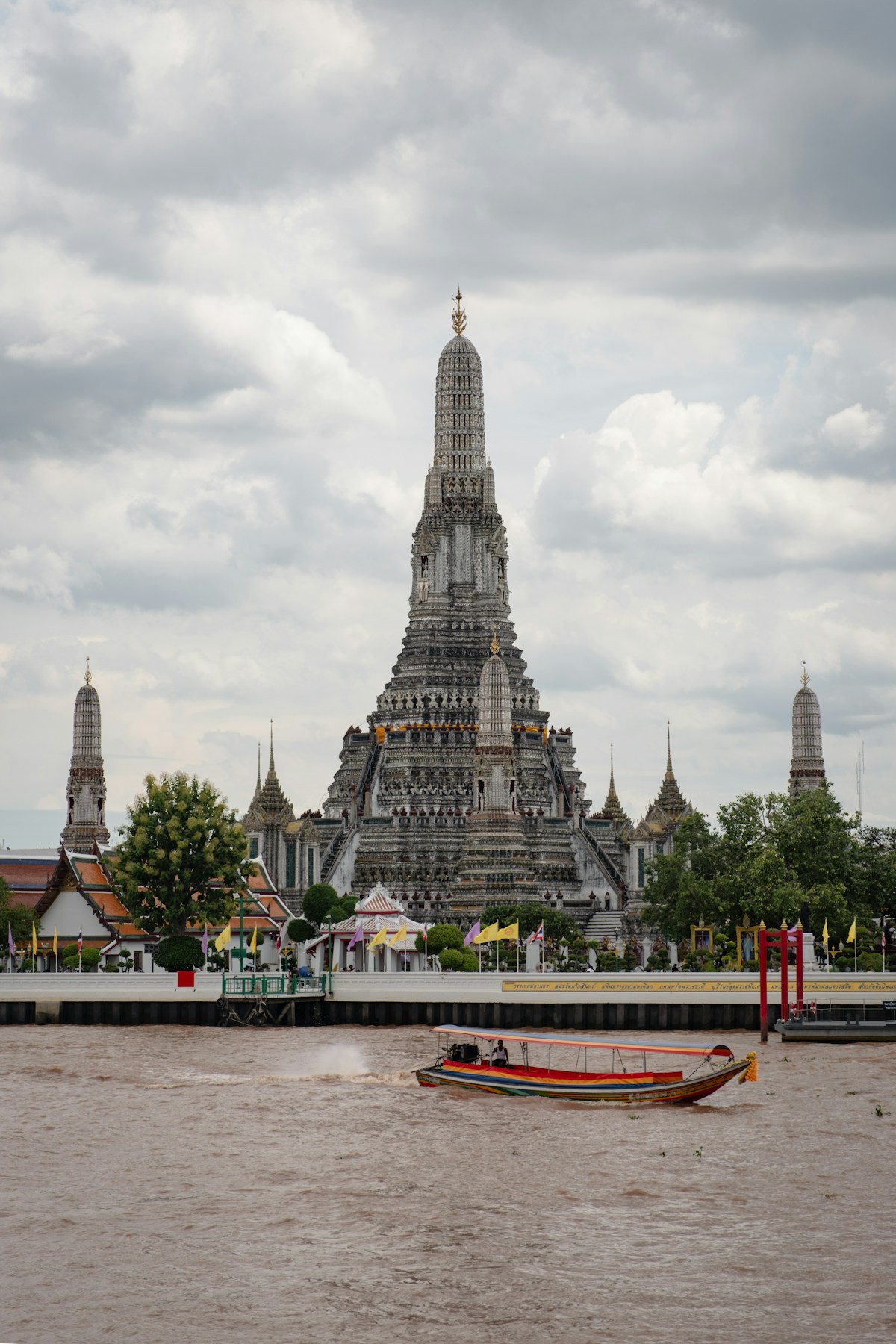
Wat Arun - Best viewed at dusk from across the river, or during a Chao Phraya crossing. The ฿100 entrance lets you climb the central prang and examine the detailed porcelain mosaic work close up.
Chinatown at night - Yaowarat Road after 7pm: charcoal-grilled seafood, roast pork with rice, durian sellers, dim sum shops that have operated for three generations. One of the best street food concentrations in the country.
Chatuchak Weekend Market - The largest market in Thailand, with over 15,000 stalls across 35 sections. Saturday and Sunday only. Best for homeware, vintage clothing, live plants, and food. Allow most of a day. BTS Mo Chit.
Or Tor Kor Market - The alternative to Chatuchak for those focused on food. High-quality produce, prepared foods, and regional specialities in a clean covered market. Next to Chatuchak.
Jim Thompson House - The preserved home of the American silk merchant who disappeared in 1967. A well-maintained example of traditional Thai architecture, filled with his art collection. Worth an hour.
Lumpini Park - Bangkok’s central park. Monitor lizards, morning exercise groups, evening runners. A genuine respite. Best in the early morning or late afternoon. MRT Lumpini.
Getting around
BTS Skytrain - The backbone of efficient Bangkok movement. Two lines (Sukhumvit and Silom). A BTS Rabbit Card loaded with stored value is cheaper per trip than single tickets. Does not reach the Old Town or Chinatown.
MRT - Underground metro connecting Chatuchak, Silom, Sukhumvit, and Hua Lamphong (main rail station). Intersects with BTS at several stations.
Chao Phraya Express Boat - Practical and scenic for riverside areas. Orange flag boats cost ฿15 flat. Useful for reaching the Old Town from Sathorn pier.
Grab - The reliable default for cross-city trips. Price fixed before confirmation.
Metered taxis - Available and honest if you insist on the meter from the start. Cheaper than tuk-tuks for most distances.
Practical information
Best time to visit - November to February. Cool season temperatures sit around 26–30°C with low humidity. March–May is the hottest period. June–October is monsoon season - heavy afternoon rain most days but still very functional for a visit.
Costs - Street food: ฿40–80. Mid-range restaurant: ฿150–350 for a main. Budget guesthouse: ฿400–700/night. Comfortable mid-range hotel: ฿1,200–2,500/night.
Day trips - Ayutthaya (80km north, 1.5 hours by train) is the most rewarding. Kanchanaburi (130km west, 2 hours) is worth the distance for the Bridge on the River Kwai and the war history. For a wider range of options - temple tours, floating market day trips, cooking classes, Muay Thai shows - browse Bangkok tours and activities. For last-minute availability and deals on Bangkok day trips, check our last-minute tours page.
Digital nomad in Bangkok
Bangkok is a strong remote work base - fast fibre internet in apartments, dozens of coworking spaces (The Hive, CommonGround, True Digital Park, JustCo), and BTS/MRT connectivity that makes city navigation practical without a vehicle. Ari (BTS Ari) and Ekkamai (BTS Ekkamai) are the most liveable neighbourhoods for long-term nomads. Monthly cost for a comfortable setup: approximately THB 60,000–90,000 as of 2026.
See the full digital nomad guide to Bangkok for coworking space details, neighbourhood comparisons, visa options, and a complete cost breakdown.
See also: Bangkok nightlife · Bangkok things to do · Bangkok food guide · Yaowarat Chinatown food guide · Bangkok neighbourhoods guide · Bangkok airport transfers · Floating markets guide · Bangkok cooking classes · Muay Thai in Bangkok · Grand Palace visit guide · Getting to Chiang Mai from Bangkok · Bangkok vs Chiang Mai · Bangkok vs Phuket · 3 days in Bangkok itinerary
Upcoming Events in Bangkok
Bangkok International Film Festival
bangkok
Bangkok International Film Festival 2026: 10–20 September. Thai and international cinema, panels, and Q&As across the city - free and ticketed screenings.
Book an experience
Top experiences in Bangkok
Explore the best tours and activities in Bangkok , with instant confirmation and free cancellation on most bookings.