Things to Do in Bangkok: Temples, Markets, and Street Life
Book an experience
Things to do here
The top-rated tours and activities here — all with instant confirmation and free cancellation on most bookings.
Grand Palace and Wat Phra Kaew
The Grand Palace complex contains the most important site in Bangkok — Wat Phra Kaew, the Temple of the Emerald Buddha. The Emerald Buddha (actually jade) sits on a high gilded throne at the end of the main hall. Three robes dress the image, changed by the king at the start of each season.
The palace grounds are extensive. Allow 2–3 hours to walk through properly. Entry: ฿500. Dress code enforced — shorts or sleeveless tops are not permitted. Sarongs available for rent at the entrance. Open daily 8:30am–3:30pm.
Wat Pho
Adjacent to the Grand Palace. The reclining Buddha (46 metres long, 15 metres high) is the largest in Thailand. The soles of the feet are inlaid with mother-of-pearl depicting the 108 auspicious characteristics of the Buddha. Wat Pho is also Thailand’s oldest massage school — a 30-minute traditional massage in the on-site pavilion costs ฿260. Entry: ฿200.
Wat Arun (Temple of Dawn)
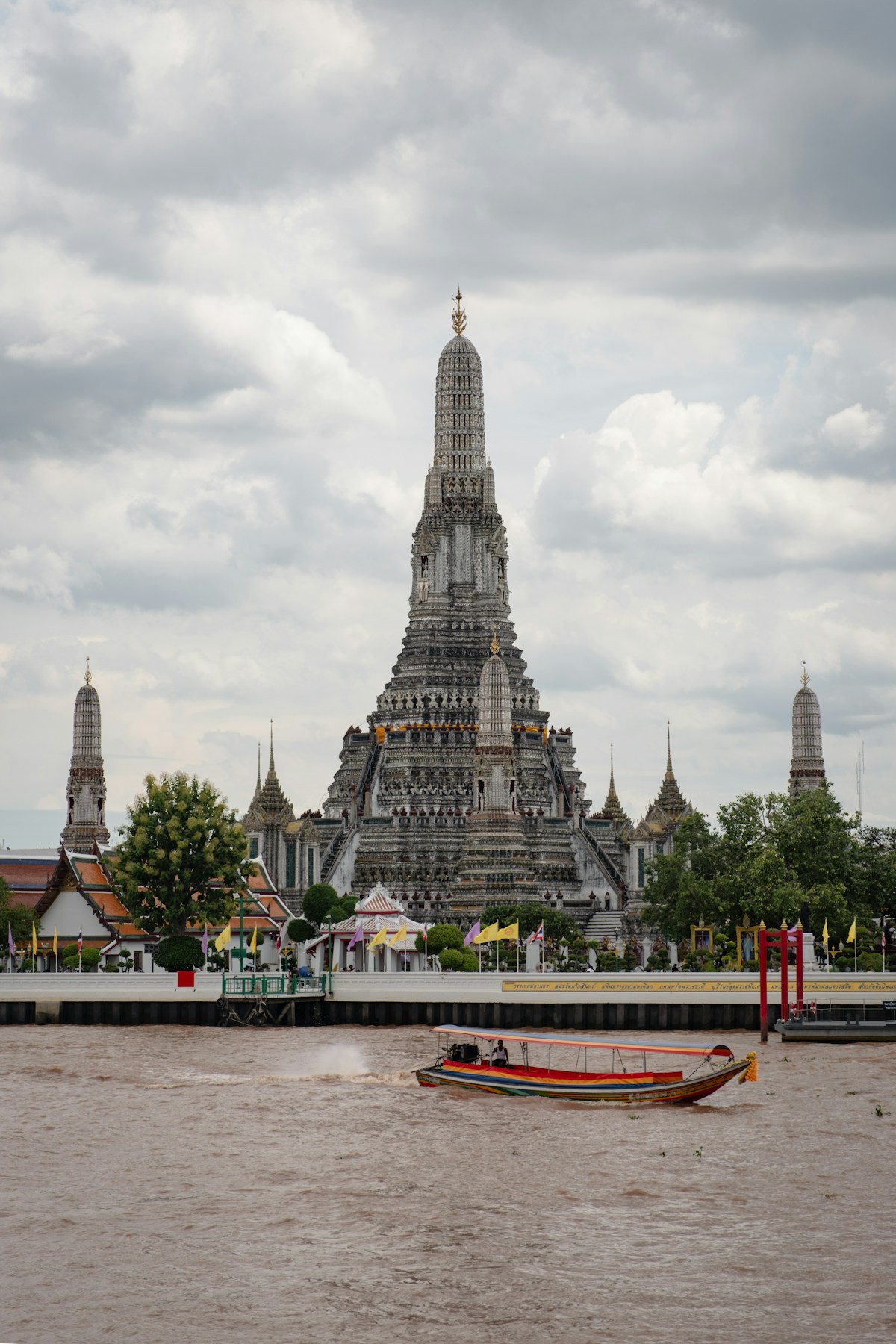
Across the river from Wat Pho — reach it by the pedestrian ferry (฿5) from Tha Tien pier. The central prang (tower) is 70 metres tall and covered in a mosaic of Chinese porcelain fragments. Worth climbing the steep steps for the view of the Chao Phraya and the Bangkok skyline. Entry: ฿100.
Chinatown (Yaowarat Road)
Bangkok’s Chinatown is among the best-preserved in Southeast Asia. Yaowarat Road and the surrounding sois come alive from around 5pm — street food stalls line the pavements, seafood restaurants extend onto the road, and gold shops illuminate the main strip. Recommended: khao tom (rice porridge), hoy tod (oyster omelette), and any of the roast duck restaurants on the main road. Arrive by MRT (Hua Lamphong or Sam Yot) — driving in is inadvisable.
Damnoen Saduak and Amphawa Floating Markets
Damnoen Saduak (100km southwest of Bangkok) is the most photographed floating market in Thailand — wooden boats laden with produce moving through narrow canals. It’s heavily touristy but still visually striking. Arrive by 8am before tour groups. Amphawa (90km) is smaller, more local in character, and particularly good on weekends when a night market runs alongside the canal. Both require half a day from Bangkok.
Chao Phraya River and Canals
The Chao Phraya Express Boat runs the length of the river from south Bangkok to Nonthaburi, connecting major piers and giving access to riverside temples. A day pass (฿150) allows unlimited travel. The longer canal trip on Khlong Bangkok Noi passes wooden stilt houses and small riverside temples largely unchanged from 40 years ago. Longtail boat tours can be arranged at Tha Chang or Tha Phra Athit piers (฿1,000–1,500 per boat for a 1-hour canal circuit).
Chatuchak Weekend Market
One of the world’s largest markets — 15,000 stalls spread across 35 acres in northern Bangkok. Open Saturday and Sunday 9am–6pm. Divided into numbered sections: clothing, antiques, houseplants, ceramics, food, pets. Navigating requires a system — arrive early, walk one complete circuit before buying, and use the MRT to Chatuchak Park. Essential: sections 1–4 for antiques, section 26 for food. Budget ฿200–500 for food and drinks. Getting there: BTS Mo Chit or MRT Chatuchak Park.
Rooftop bars
Bangkok’s elevated skyline bars offer some of the best urban views in Southeast Asia. Lebua State Tower (scene of the Hangover II) has the most dramatic position but charges for a minimum drink order (฿500–700 per person). Park Society (So Sofitel) and Vertigo (Banyan Tree) are more relaxed alternatives. Most require smart casual dress — no shorts, no sandals.
Lumphini Park
Bangkok’s central park — 57 hectares of greenery in the business district. Morning tai chi sessions from 6–8am. Giant monitor lizards in the lake. Running tracks and paddleboats. The food stalls around the perimeter are good for a cheap lunch. Best accessed by MRT Silom or Lumphini.
Day trips from Bangkok
Ayutthaya — 1.5 hours north by train or minivan. The ancient capital with Buddha heads intertwined in tree roots. Worth a full day.
Kanchanaburi — 3 hours northwest. The Bridge on the River Kwai and Death Railway history. Worthwhile for an overnight trip.
Damnoen Saduak + Maeklong Railway Market — A combination minivan tour covers both in a half-day. Maeklong: a market built on active railway tracks — stalls retract when trains pass.
Frequently Asked Questions
- How many days do you need in Bangkok?
- 3 days covers the major temples (Grand Palace, Wat Arun, Wat Pho), a Chinatown evening, a canal or river trip, and one or two neighbourhood walks. 5 days allows a slower pace, a day trip to Ayutthaya, and time to properly explore areas like Ari, Thonglor, or the flower and antique markets. Most visitors underestimate how much there is to do and leave feeling they needed more time.
- What is the best way to see Bangkok's temples without the crowds?
- Arrive at 8am. The Grand Palace and Wat Pho are both open from 8:30am and get progressively more crowded through the morning as coach tours arrive. Wat Arun is slightly less visited and worth crossing the river for. Wear clothing that covers shoulders and knees — lightweight linen works well in the heat.
Ready to explore?
Browse hundreds of tours and activities. Book securely with free cancellation on most options.
Browse on GetYourGuide →We may earn a small commission — at no extra cost to you.