Thailand on a Budget: 2-Week Backpacker Itinerary
Overview
This itinerary covers the classic backpacker circuit: Bangkok → Chiang Mai → Gulf Coast islands. It’s designed for a genuine budget — hostel dorms or cheap guesthouses, street food, local transport, and selective paid activities. The itinerary is two weeks (14 days) with flexibility to extend any section.
Daily budget target: ฿1,000–1,500 (accommodation + food + local transport + one activity every few days)
Major transport costs (not in daily budget):
- Bangkok overnight train to Chiang Mai: ฿350–700 (2nd class, sleeper)
- Chiang Mai to Surat Thani (bus + night bus): ฿500–800
- Surat Thani to Koh Tao ferry: ฿400–600
- Koh Tao to Koh Phangan: ฿200–300
Days 1–3: Bangkok
Arrive Bangkok (Suvarnabhumi or Don Mueang). Most budget travellers base in Khao San Road area (backpacker hub, cheap guesthouses) or the Silom/Bangrak area (closer to the BTS, quieter).
Accommodation: Hostels in the Khao San or Silom areas from ฿250–450/night for dorms. Private rooms from ฿700–1,000.
What to do:
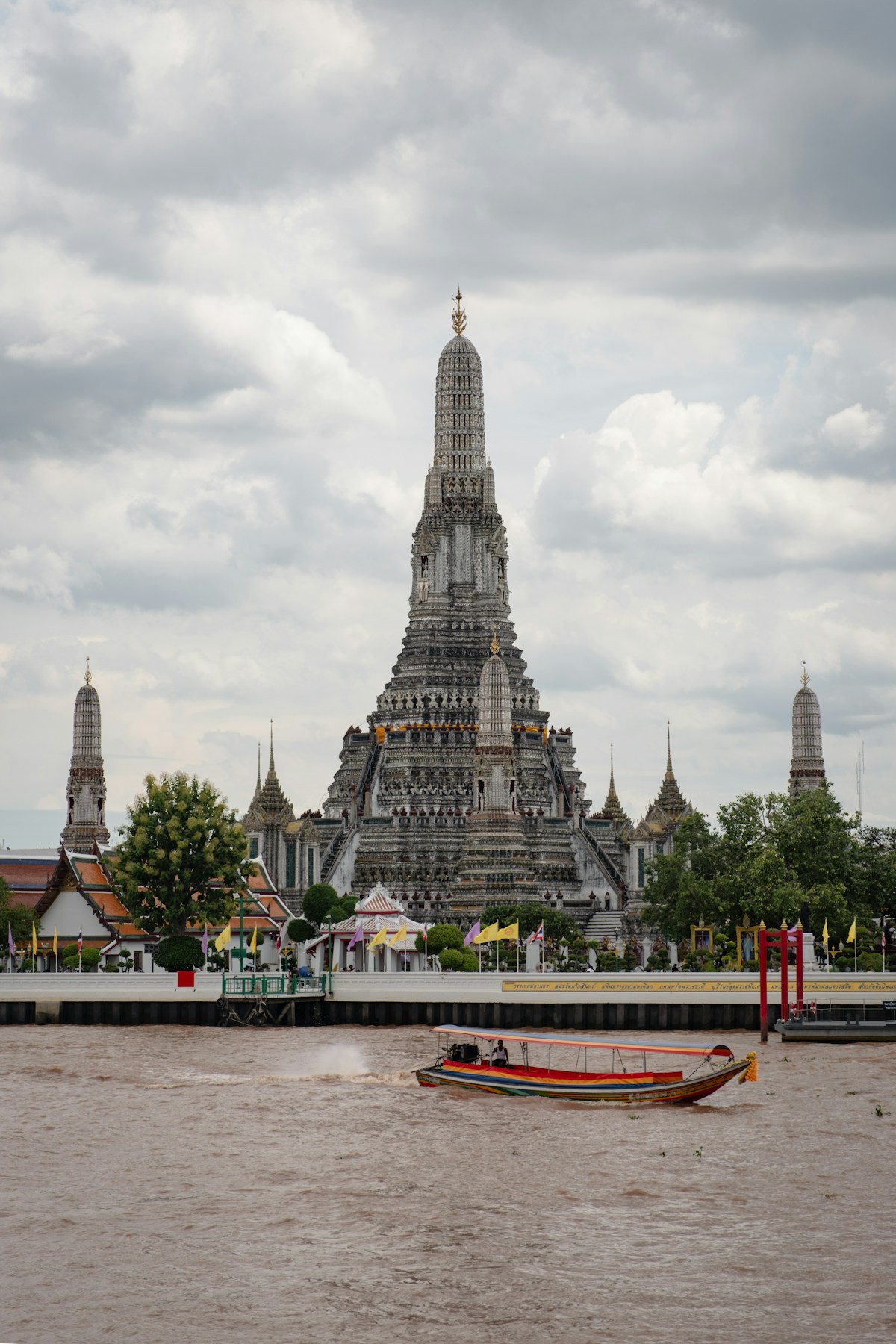
- Day 1: Grand Palace and Wat Phra Kaew (entry ฿500 — the biggest single cost of the whole trip but unmissable). Walk to Wat Pho (฿200). Longtail boat along the Chao Phraya.
- Day 2: Chatuchak Weekend Market (if Saturday or Sunday — free entry, budget ฿200–400 for food and any purchases). Or: Jim Thompson House (฿200), Lumpini Park walk, MBK Mall for budget shopping.
- Day 3: Damnoen Saduak floating market by minivan (฿300–500 including transport from Khao San) — touristy but visually impressive. Alternatively, stay in Bangkok for a Thai cooking class (฿800–1,200, some include market visit).
Budget eating: Street stalls on Khao San Road and the surrounding sois. Pad thai: ฿60–80. Khao man gai: ฿60–70. Fresh juice: ฿50–70.
Days 4–7: Chiang Mai
Overnight train from Bangkok (Hua Lamphong) to Chiang Mai. 2nd class sleeper: ฿700–1,000. Book in advance at thairailways.com or Hua Lamphong station.
Alternatively: night bus (฿350–500), or budget flight (฿800–2,000 on AirAsia, Nok Air — sometimes cheaper than the train).
Accommodation: Nimman area or the old city moat area. Hostels from ฿250–400/dorm. Good-value private guesthouses: ฿600–1,000. Chiang Mai is cheaper than Bangkok for equivalent accommodation.
What to do:
- Day 4 (arrival): Check in, walk the old city moat, visit Wat Chedi Luang (free entry to grounds, ฿40 main chapel). Sunday Walking Street market (Wualai Road, 4pm–10pm) if timing works.
- Day 5: Doi Suthep Temple by songthaew (฿50/person each way to the base of the steps, ฿30 entry). Morning market at Warorot Market. Afternoon: cooking class (฿800–1,200 including market visit — one of the best-value activities in Thailand).
- Day 6: Half-day elephant sanctuary. Ethical operations require no riding: Elephant Nature Park (฿2,800–3,200, full day) or smaller half-day operations (฿1,500–2,200). This is the biggest single activity spend of the trip but worth it.
- Day 7: Free day. Cycle around the old city moat (rent from guesthouses, ฿60–100/day). Visit Chiang Mai Night Bazaar in the evening. Saturday Walking Street (Wualai Road) if it’s Saturday.
Budget eating: Nimman area has good cheap options. The old city has backpacker cafes. Best value: the local market on Somphet Road (near the moat, north side), ฿50–80/dish. Night Bazaar has food court options at ฿100–150.
Days 8–11: Koh Tao
Chiang Mai to Koh Tao: Several routes. The most common budget option:
- Night bus Chiang Mai → Surat Thani (Lomprayah combined ticket: ฿700–900 including ferry)
- Or: bus to Bangkok, overnight train to Surat Thani, ferry to Koh Tao
Total transit time: 10–14 hours (overnight). Most Lomprayah packages handle the full journey.
Accommodation: Budget bungalows on Sairee Beach or Mae Haad: ฿400–700 for a basic fan bungalow, ฿600–900 for A/C. Koh Tao is expensive relative to the mainland (everything is ferried in).
What to do:
- Option A — Learn to dive (recommended): PADI Open Water course: ฿9,000–12,000 over 3.5 days. Koh Tao is one of the cheapest places in the world to get certified and the diving is genuinely excellent. This exceeds the daily budget but is a one-time cost.
- Option B — Snorkelling: Half-day snorkel tour to Koh Nang Yuan and the main reefs: ฿500–800. This is the non-certification alternative.
- Other activities: Sunrise hike to Mango Viewpoint (free), kayak around the coastline (฿150–300/hour), rent a scooter to explore the island (฿150–200/day — note: Koh Tao’s roads are steep; motorcycle experience helpful).
Days 12–14: Koh Phangan
Koh Tao to Koh Phangan: Ferry, 1.5 hours, ฿200–300. Multiple departures daily.
Accommodation: Hat Rin for full moon period (book months ahead) — ฿600–1,500/night due to demand. The rest of the island: fan bungalows from ฿400–700/night on the west coast (Haad Yao, Haad Salad).
What to do:
- Full Moon Party (if timing aligns): ฿100–200 entry. Budget ฿400–800 for drinks on top. Party runs sunset to sunrise on Hat Rin beach.
- Non-party visit: Thong Nai Pan Noi beach on the northeast coast — one of the best beaches in the Gulf. Takes 1 hour by songthaew (฿150). Rent a motorbike to explore the interior (฿150–200/day).
- Ang Thong Marine Park day trip: ฿1,500–2,000. The highlight of the Gulf of Thailand — 42 limestone islands, kayaking, snorkelling.
Day 14: Ferry back to Surat Thani for onward flights from Surat Thani or Samui airports. Or extend to Koh Samui (30-minute ferry, ฿200).
Budget summary
| Category | Estimated spend |
|---|---|
| Accommodation (14 nights) | ฿7,000–12,000 |
| Food (14 days, street food heavy) | ฿3,500–6,000 |
| Local transport (within cities/islands) | ฿2,000–3,500 |
| Inter-city transport | ฿2,000–3,500 |
| Grand Palace + paid sites | ฿1,000–1,500 |
| Activities (elephant sanctuary, cooking class, snorkelling) | ฿3,500–6,000 |
| Total (no dive course) | ฿19,000–32,500 |
| Add PADI Open Water course | + ฿9,000–12,000 |
At the lower end with strict budgeting: approximately ฿19,000–22,000 ($530–610 USD) for 14 days in-country. Mid-range of the bracket: ฿25,000–28,000 ($700–780 USD).
Tips for keeping costs down
- Travel by overnight train or bus when possible — saves one night’s accommodation
- Street food is not just cheaper but often better than tourist restaurants
- Negotiate nothing — prices are fixed at most street stalls and markets; bargaining is expected only at stalls selling clothes and handicrafts
- Grab app is cheaper than street taxis in Bangkok and most cities; download before arrival
- Book dive courses directly with the school — comparison sites add commission
- The 7-Eleven in Thailand is useful for budget snacks and water: ฿7–15 per 1.5L bottle
Destination guides on this route
Bangkok · Chiang Mai · Koh Tao · Koh Phangan · Koh Samui
See also: Bangkok to Chiang Mai transport · Full Moon Party guide · Koh Tao things to do
Book an experience
Itinerary in the area
Instant confirmation · Free cancellation on most bookings
Frequently Asked Questions
- How much does a 2-week budget trip to Thailand cost?
- On a genuine budget (hostel dorms, street food, local transport, one or two paid activities): ฿1,000–1,500/day excluding international flights, or approximately $28–42 USD. For the 14-day itinerary below, expect ฿14,000–21,000 total for in-country expenses ($390–580 USD). The main variable is activities: a PADI Open Water course on Koh Tao adds ฿9,000–12,000 but is one of the cheapest places in the world to get certified.
- What is the classic backpacker route in Thailand?
- Bangkok → Chiang Mai → islands (via overnight train/bus to Surat Thani or direct flight to Koh Samui). The loop can run north-first or south-first depending on flight arrival city and onward travel. Most backpackers spend 3–4 days in Bangkok, 4–5 in Chiang Mai, and the remainder on the Gulf Coast islands (Koh Tao, Koh Phangan, Koh Samui). A month is more comfortable; 2 weeks is achievable.